
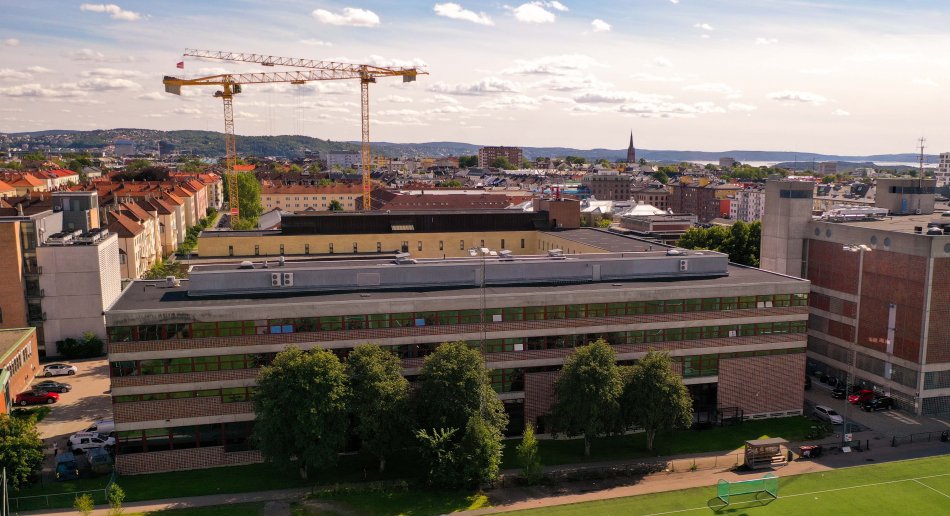
About MF
MF Norwegian School of Theology, Religion and Society is a Specialized University in Oslo.
MF is a private, independent educational institution engaged in research and education in theology, religion, and social sciences, with a particular focus on the intersection of religion and society.
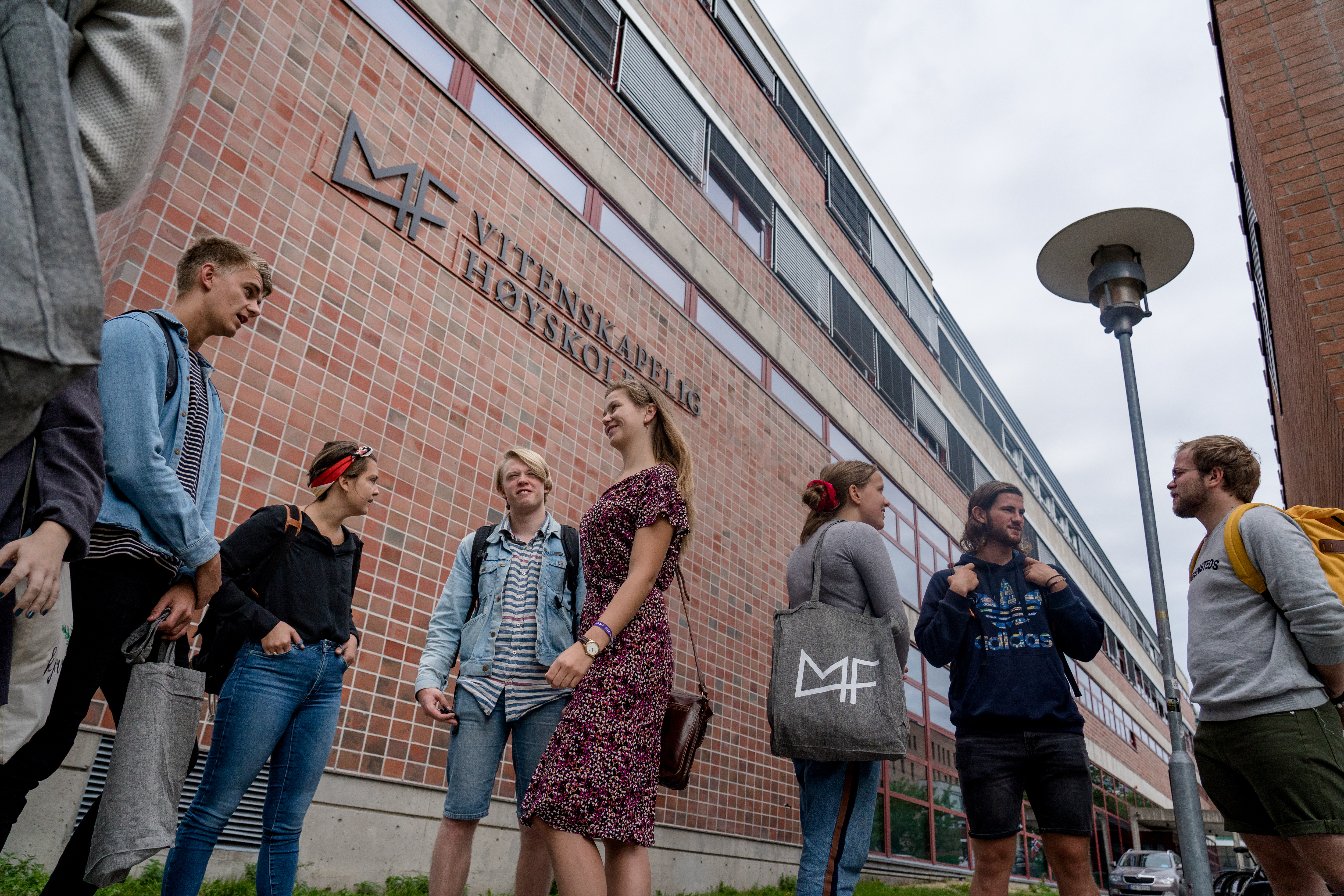
We offer a range of study programs at the Ph.D., master's, and bachelor's levels. Students are trained for professions in the church, school, and society.
The specialized university has approximately 120 employees, 1300 students, and around 50 in the doctoral program.
MF is an independent, value-based Specialized University college where academic freedom, critical thinking, and democratic participation are emphasized. MF was founded in 1907 as the Faculty of Theology. In 2018, we changed our name to MF Norwegian School of Theology, Religion and Society.
Research
The research at MF is diverse and covers areas such as theology and interdisciplinary studies of religion and society.
Opening hours
Ordinary opening hours
Main entrance and reception:
Monday- Friday: 08.00 - 21.00
Saturday: 09.00 - 17.00
Sunday: Closed
Library and reading room:
Monday- Friday: 08.00 - 21.00
Saturday: 09.00 - 17.00
Sunday: Closed
News
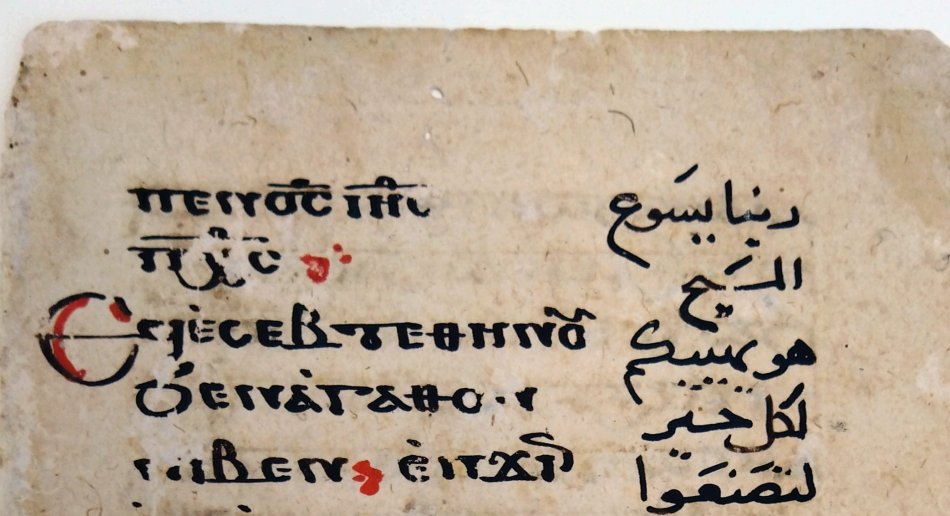
The Director of MF L-MaSDR Identifies a New Manuscript in Zürich
Published: 28. September 2026
During his visit to the Zentralbibliothek Zürich, Mina Monier had the privilege of examining uncatalogued material, among which he identified a previously unrecognised Coptic–Arabic manuscript fragment.
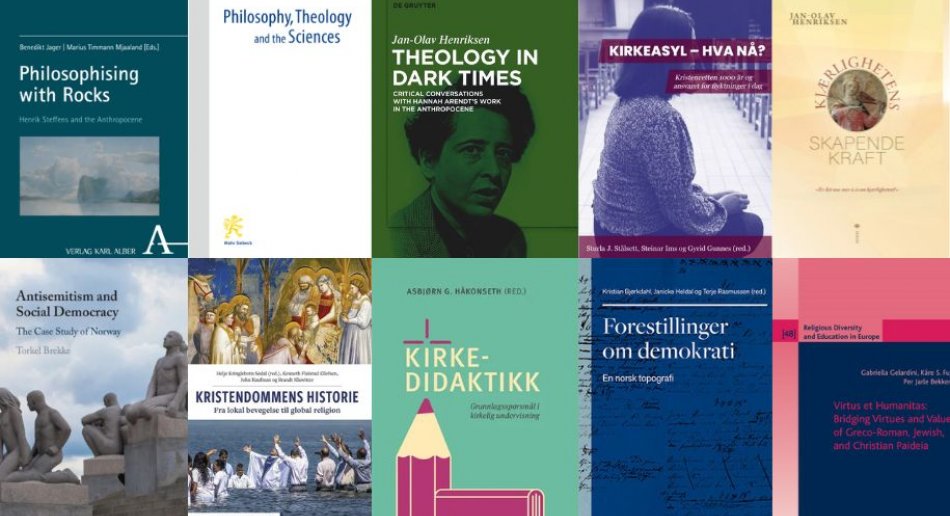
Publications from MF reserachers
Published: 23. September 2026
Through books, book chapters, and scholarly articles, researchers at MF contribute to new knowledge and academic dialogue, both nationally and internationally. Here is a selection of publications from recent times.
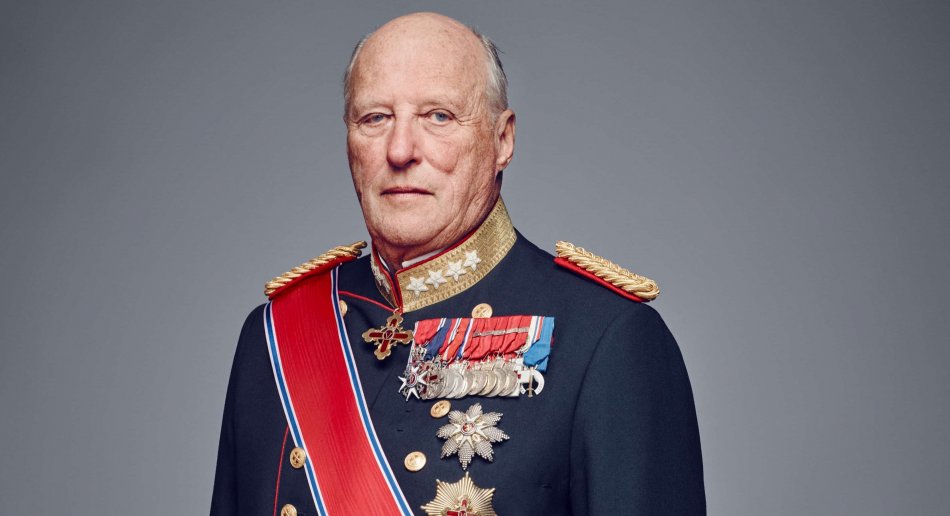
Condolences Following His Majesty King Harald's passing
Published: 28. August 2026
Det er med stor sorg vi har mottatt budskapet om at Hans Majestet Kong Harald V har gått bort.
MF kondolerer kongefamilien og lyser fred over Kong Haralds minne.
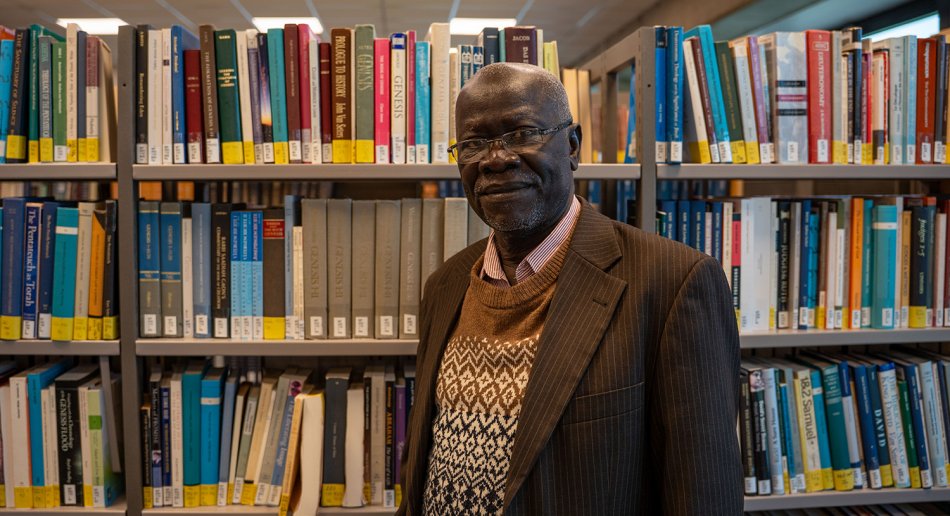
Writing and teaching Contested History
Published: 17. July 2026
As competing memories meet official narratives in the classroom, the question becomes not only what history is taught, but whose stories are told.