
Artificial Intelligence and the Humanities: New Opportunities and Challenges
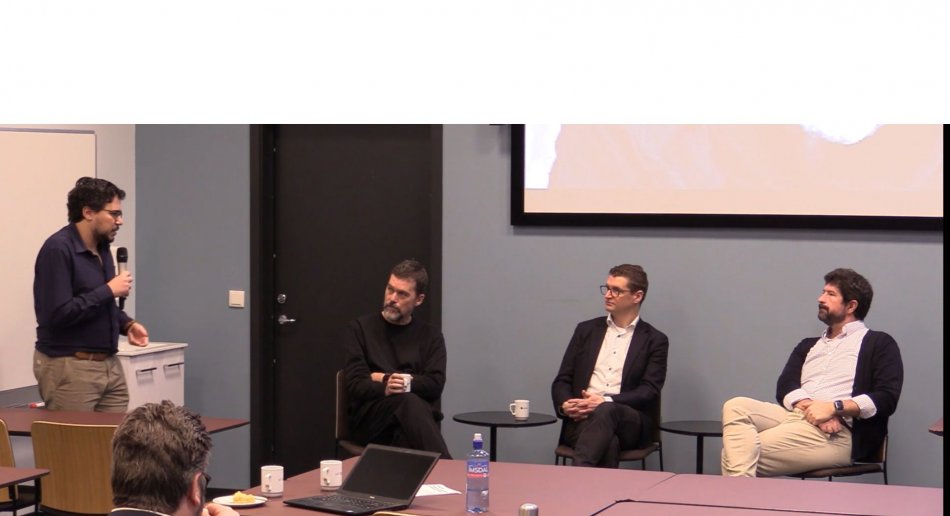
In December 2025, L-MaSDR hosted a seminar exploring the opportunities, challenges, and responsibilities that AI presents for humanistic research. Watch the presentations here.
What's outside the model? - Anders Braarud Hanssen
Anders Braarud Hanssen gave a thought-provoking lecture titled “What’s outside the model? What the humanities need to reclaim to survive and save the human race.” He argued for the continued relevance of humanistic insight, contextual knowledge, and ethical reflection. Drawing on Gödel’s incompleteness theorem, he characterized large language models as closed formal systems and argued that they are incapable of producing fundamentally new insights, highlighting instead what exists beyond computation and prediction. The lecture offered a strong case for humanities as an indispensable counterbalance to technocratic thinking.
Between manuscript and machine - Francis Borchardt and Matthew Monger
Francis Borchardt and Matthew Monger explored the implications of AI for textual scholarship in “Between Manuscript and Machine: The Advent of the Newest Philology.” Drawing on examples from manuscript studies and digital philology, and specifically their work with the Schøyen collection, the talk examined how machine learning tools are transforming editorial practices, source criticism, and the interpretation of historical texts. Rather than framing AI as a replacement for philological expertise, the presentation highlighted new hybrid forms of scholarship emerging at the intersection of human judgment and machine assistance.
Panel Discussion and Concluding Reflections
The seminar concluded with a panel discussion bringing together the speakers and the audience. The conversation returned to several recurring themes.
This seminar forms part of L-MaSDR’s ongoing engagement with artificial intelligence in the humanities, reflecting the lab’s aim to combine methodological innovation with critical reflection. By fostering open conversations about both possibilities and limitations, L-MaSDR seeks to contribute to a more thoughtful and sustainable future for humanistic research in an age of AI.
We thank the speakers and participants for their contributions and engagement, and look forward to continuing the conversation in future events and projects.
Flere artikler fra MF L-MaSDR, Nyheter, digital humaniora, Digital humanities og l-masdr
Gode søkertall til studier ved MF
Published: 23. april 2026
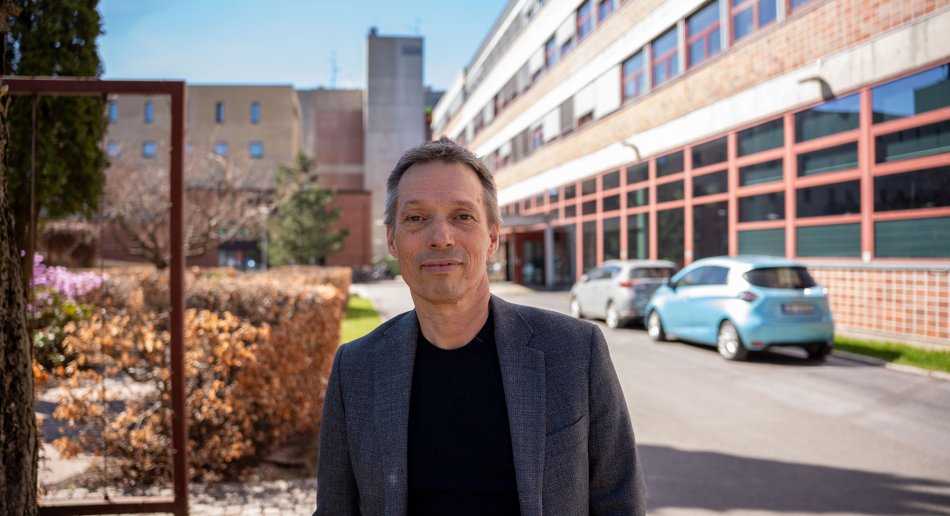
Søkertallene for 2026 viser betydelig oppgang i antall søkere til studieprogrammer ved MF. Særlig stor interesse er det for det nye masterprogrammet i demokratisk beredskap. For søkere i Samordna opptak har vi en økning på 27,5%..
Til minne om Tamima
Published: 16. april 2026
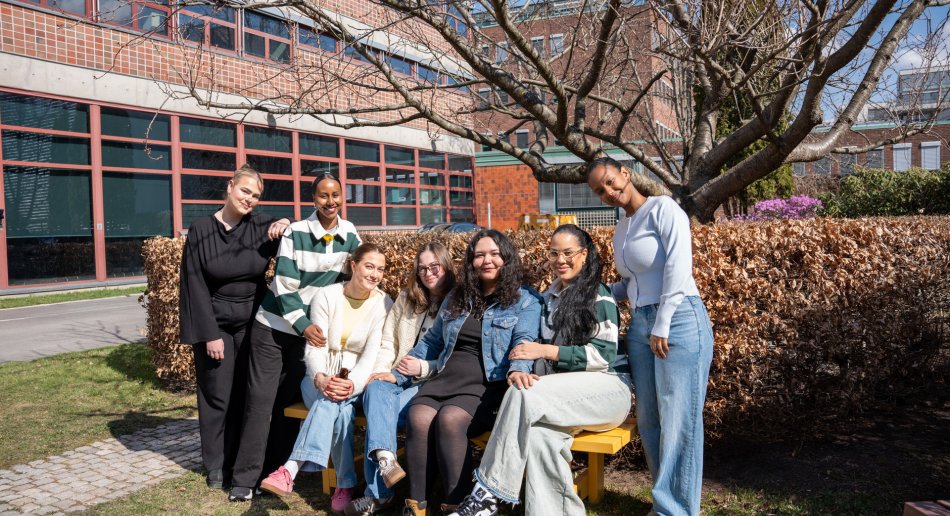
I dag har vi markert og åpnet en minnebenk for vår student Tamima Nibras Juhar, som ble revet bort fra oss i august. Benken er malt i gult – hennes yndlingsfarge – og skal stå som et varmt og varig minne.
Nå er de nesten prester
Published: 9. april 2026
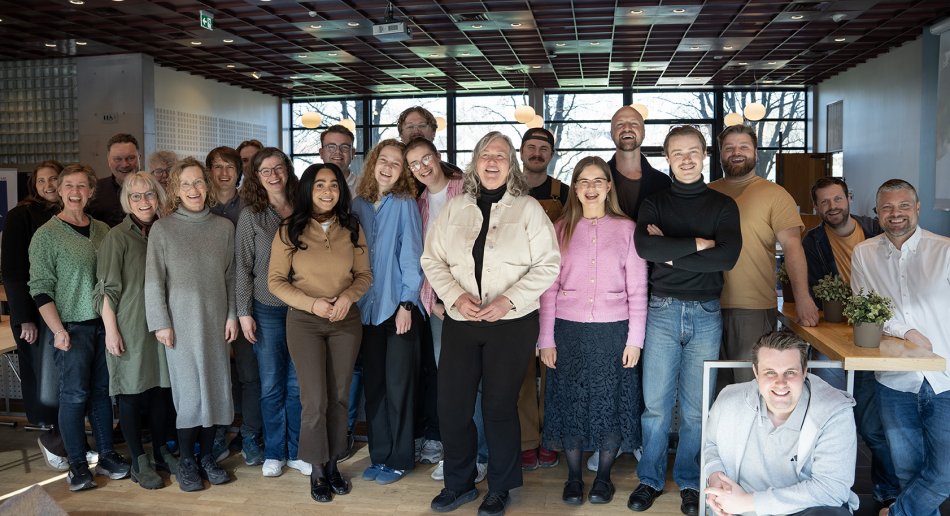
Etter flere år med studier, praksis og faglig modning er årets prestestudenter på vei mot målstreken. Møt gjengen som nå tar sine siste steg før de trer inn i tjenesten.
Bli kjent med Torkel Brekke
Published: 24. mars 2026
Torkel Brekke har siden 2023 vært professor i religion og samfunn ved MF. Nå er han aktuell med den nye boka Imperiet faller: syv rikers sammenbrudd og hva man kan lære av dem, der han utforsker hvordan store imperier reiser seg – og hvorfor de kollapser.