
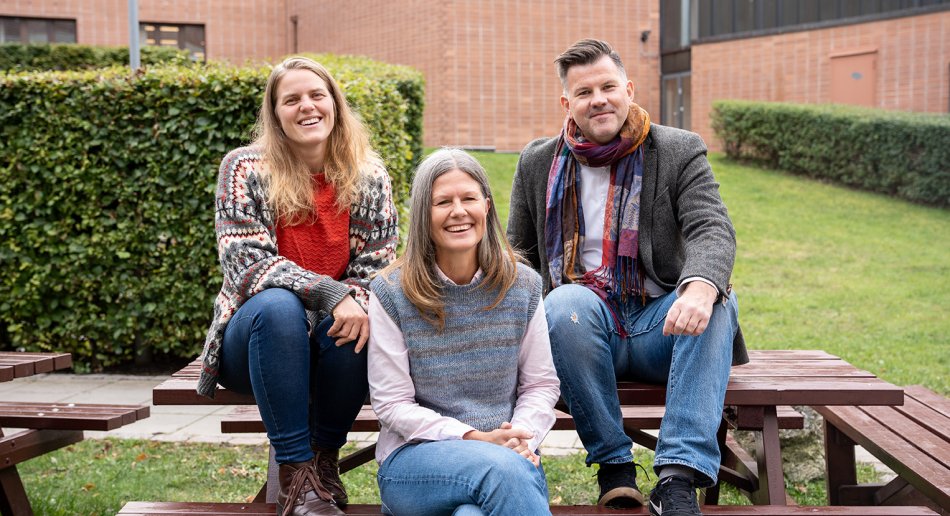
Co-creators - forskning på ufrivillig skolefravær
Forskningsprosjektet Diakonale organisasjoner som samskapere: Å motvirke skolefravær vil finne nye løsninger for barn og unge som står utenfor skolen.

Ufrivillig skolefravær er en økende bekymring i Norge. Men selv om ufrivillig skolefravær har fått mer oppmerksomhet de siste årene, mangler det forskning på dette temaet– spesielt når det gjelder å evaluere konkrete tiltak utenfor skolesystemet.
Samtidig har diakonale aktører over hele Norge utviklet en rekke initiativer for å støtte barn og unge som rammes av ufrivillig skolefravær. De samskaper ofte med familier, skoler og offentlige etater. Imidlertid er både det diakonale arbeidet og samskapingsprosessene i stor grad verken dokumenterte eller evaluerte.
Dette prosjektet undersøker derfor hvordan diakonale aktører samskaper med andre sektorer for å bidra til å redusere ufrivillig skolefravær.
Forskningen vil ta i bruk ulike metoder for å:
- kartlegge de diakonale aktørenes aktiviteter relatert til ufrivillig skolefravær i en nasjonal undersøkelse,
- gjennomføre fire etnografiske casestudier, og
- bringe praktikere og forskere sammen i forskningslaboratorier.
Ved å analysere suksessfaktorer, utfordringer og mulig praksisoverføring, vil prosjektet skape ny kunnskap for lærere, beslutningstakere og aktører i sivilsamfunnet. Målet er at forskningsresultatene vil bidra til å forbedre arbeidet blant barn og unge som sliter med ufrivillig skolefravær.
Partnere og arbeidsmetoder
Gjennom såkalte "forskningslaboratorier" skal prosjektet samle aktørene til dialog og refleksjon for å utvikle nye samskapingsmodeller som kan bidra til å redusere skolefravær.
Målet er å dokumentere hva som fungerer og å utvikle forskningsbaserte anbefalinger som styrker innsatsen for inkludering av barn og unge.
Prosjektet utføres i samarbeid mellom MF vitenskapelig høyskole, VID og Enskilda Högskolan i Stockholm.


De diakonale aktørene er Stiftelsen TID, KFUK-KFUM Forandringshuset, Kirkens ungdomsprosjekt (KUP) og Den norske Kirke.



Forskningsspørsmål og arbeidspakker
Utgangspunktet for prosjektet er spørsmålet Hvordan kan diakonale aktører redusere ufrivillig skolefravær gjennom samskaping?
Prosjektet vil besvare følgene underordnede forskningsspørsmål:
- Hva gjør diakonale aktører som respons på problemer med ufrivillig skolefravær?
- Hvilke faktorer hos diakonale aktører kan bidra til å støtte barn og unge som opplever problemer med ufrivillig skolefravær?
- Hvem involverer diakonale aktører i samskapingsprosesser, og hva kjennetegner disse prosessene?
- Hva er begrensningene for diakonale aktører i samskapingsprosesser, og hvordan kan disse overvinnes?
- Hvilke lærdommer kan trekkes og overføres fra diakonale aktører vellykkede arbeid med problemer knyttet til ufrivillig skolefravær?
Arbeidspakker
AP1: State-of-the-art on non-profit organizations (NPOs) and SAP
In WP1 we will establish a broad overview of Faith based non-profit organisations (FNPO - diakonale aktører - initiatives to reduce SAP. WP1 will begin with a narrative literature review. The review will be broad in scope and include literature on topics such as
- FNPOs work among children and youth in general,
- FNPOs co-creation in their work with children and youth, and
- both Norwegian and Scandinavian literature on FNPOs work to reduce SAP.
As we expect the research literature to be scarce on the area of FNPOs and SAP, we will search beyond literature published in academic channels, and include reports and evaluations, organizations’ own publications, and online resources and media reporting.
The purpose of the review is twofold: Synthesising current knowledge will establish the state-of-the art and further identify knowledge gaps in this under-researched area. But it will also provide information which may directly influence the development of the research tools in the empirical data production, such as survey and interview questions.
WP leader: Solvor Mjøberg Lauritzen
AP2: Mapping the engagement of FNPOs in addressing SAP
WP2 will consist of a descriptive survey with both closed and open-ended questions. We will use the secure platform Nettskjema (developed by UIO). The survey will be distributed widely to Norwegian FNPOs.
Findings from WP1 will likely influence the topics addressed it the survey, but it will at least address questions related to
- what the FNPOs do directly and indirectly to reduce SAP (School Attendance Problems),
- what lessons the FNPOs have drawn from their current practices (including what they perceive as effective practices and not), and
- whether and how these organizations engage in co-creation with other stakeholders, who these partners are, how the co-creation is organised, and what challenges and opportunities the co-creation give.
The survey will be distributed to our project-partners (CoN, KFUK-KFUM, KUP, TID), and other relevant organisations such as Kirkens Bymisjon (Church City Mission) and CRUX.
The survey will provide an overview of practices in FNPOs in Norway, which in itself is a valuable contribution to the knowledge production on SAP. Additionally, the survey findings will help to place the empirical findings from WP3-5 in context, strengthening the analysis of transferability of findings. Through the survey we will also identify an additional case study for WP3.
WP leader: Solvor Mjøberg Lauritzen
AP3: In-depth ethnographic study of FNPOs involved in co-creation
WP3 will conduct an in-depth ethnographic study of FNPOs engaged in co-creation to address SAP.
Collaborative agreements have been established with four FNPOs (CoN, KFUK/KFUM, TID, KUP), selected by the criteria
- Active involvement in SAP (School Attendance Problems) reduction,
- active co-creation with non-governmental and public bodies,
- anecdotal evidence of successful practices (defined as reducing SAP).
Diversity in geography and demography was also considered, ensuring representation from rural and urban areas across Norway.
WP3 will produce in-depth knowledge of what reducing SAP through co-creation looks like on the ground; how FNPOs work in response to SAP, how FNPOs co-create with civil and public sector, and how children, youth, parents and related civil and public bodies perceive the initiatives.
The case studies will be inspired by Institutional Ethnography (IE), a practice-oriented research approach that takes as its starting point what people do and experience "on the ground" . IE aims to research for and with people, promoting collaboration between researchers and practitioners. This method is valued by practitioners for its practical applicability. IE explores what shapes and governs practices, mapping interconnections and making implicit knowledge explicit. The research can also highlight opportunities and challenges in organizing work.
Using IE as methodological framework and theoretical starting point, we will employ multiple methods.
- Document analysis: Examine policy documents and strategy plans to understand how they influence initiatives, and the possibilities and limitations for co-creation.
- Participatory observation: Two-week observations in each initiative, split between autumn and spring, to capture seasonal variations. The researcher will participate alongside relevant employees and volunteers, observing direct interaction with children and youth, and co-creation processes.
- In-depth interviews will be conducted with key employees and volunteers, children and youth experiencing SAP, parents, and other relevant stakeholders. Approx. 20 interviews with employees and volunteers in FNPOs (5 per initiative), conducted at the beginning and end of the data collection period, to allow for follow-up on topics that emerged in the first interview, and to address new topics that has emerged during observations. Approx. 40 children and youth (10 per initiative), understand their experiences, what they value, critiques, and understanding of their own situation and needs. Interviews will be individual or group-based, depending on participant preferences. Approx. 40 parents connected to the initiatives (10 per initiative), addressing similar topics as those with children and youth.
The primary focus is to understand FNPOs roles and limitations in co-creation processes. In line with IE, the study will investigate how reality appears from different practitioners’ perspectives and explore what shapes co-creation practices. The research will analyse interconnection between individual actions and how they are influenced by guiding ideologies, dominant understandings, time constraints, and economic, political, or institutional directives and norms.
Interview findings will be analysed alongside document analysis. In sum, we aim at a comprehensive understanding of co-creation’s potential and limitations in reducing SAP.
WP leader: Solvor Mjøberg Lauritzen
AP4: Developing practices in collaborative laboratories
WP4 will bring together FNPO employees interviewed and their selected co-creation partners to further develop WP3 research data in three collaborative research laboratories.
Inspired by phronesis (practical wisdom), we aim to co-develop theoretical knowledge, reflect on values, and improve practice simultaneously. FNPOs will select participants from their organisation and invite co-creators from e.g. schools, BUP or NAV. The laboratories will ensure stakeholders’ knowledge is utilised.
FNPOs and their partners will meet with researchers in three two-day sessions held midway and toward the end of the project. These will feature
- presentations from FNPOs on their co-creation efforts to reduce SAP, and
- presentations of preliminary research findings by the project team.
The laboratories will facilitate knowledge production for both FNPOs and researchers:
FNPOs and their co-creation partners will gain a platform for discussion and feedback, fostering reflection and learning across sectors. Researchers will collect data by presenting findings for participant validation, allowing correction of misunderstandings and inclusion of overlooked elements. Additionally, the laboratory meetings will be recorded and serve as a creative alternative to focus-group interviews, generating new data through interaction and discussions.
Three sessions will deepen discussion over time. The first will present preliminary findings for initial analysis. The second will focus on organisational structures and their influence on reducing SAP, incorporating documents from WP3’s IE-inspired analyses. In the third session, we will invite the Swedish partner in the project. Despite some differences, Sweden is comparable to Norway in school systems and FNPOs. University College Stockholm’s ongoing action research project, “Together for learning”, involves a congregation working with SAP-affected children. Additional international scholars, contacted during the project, will share work from their respective countries, to accommodate international perspectives in the analysis and development of practice.
The laboratories will be guided by researchers with extensive experience in action research and collaborations between academia and civil society, ensuring a productive and dynamic process. IE provides theoretical tools that will be useful both in the laboratories and in the analysis of the data generated in them.
WP leader: Knut Tveitereid
AP5: Research dissemination
The research project is set in a Norwegian context, and the research contributes towards filling a research gap in Norway.
To make the findings as accessible as possible to a Norwegian audience, we will write at least four research articles in Norwegian. Three of the articles will mainly draw on research data from WP2 and WP3 (survey and ethnographic fieldwork) and the fourth will mainly draw on data form research laboratories (WP4).
In order to make the research results even more accessible for actors in the practice field, we will produce a research report. The report will include the same elements as peer-reviewed research articles (previous research, methods description, theory and research results), but will use less research jargon and focus on communicating the most important results for the practice field, i.e. civil society actors, policy makers and school actors. The focus will not mainly be to communicate with other researchers and contribute to the state-of-the-art, but rather to provide information and recommendation that can better policies and practices related to co-creation and reducing SAP. The report will further be condensed into a 2-page policy brief with recommendations identified in the report.
Finally, the most important findings in the project will be communicated in two research articles in English.
WP leader: Astrid Sandsmark
Prosjektteamet
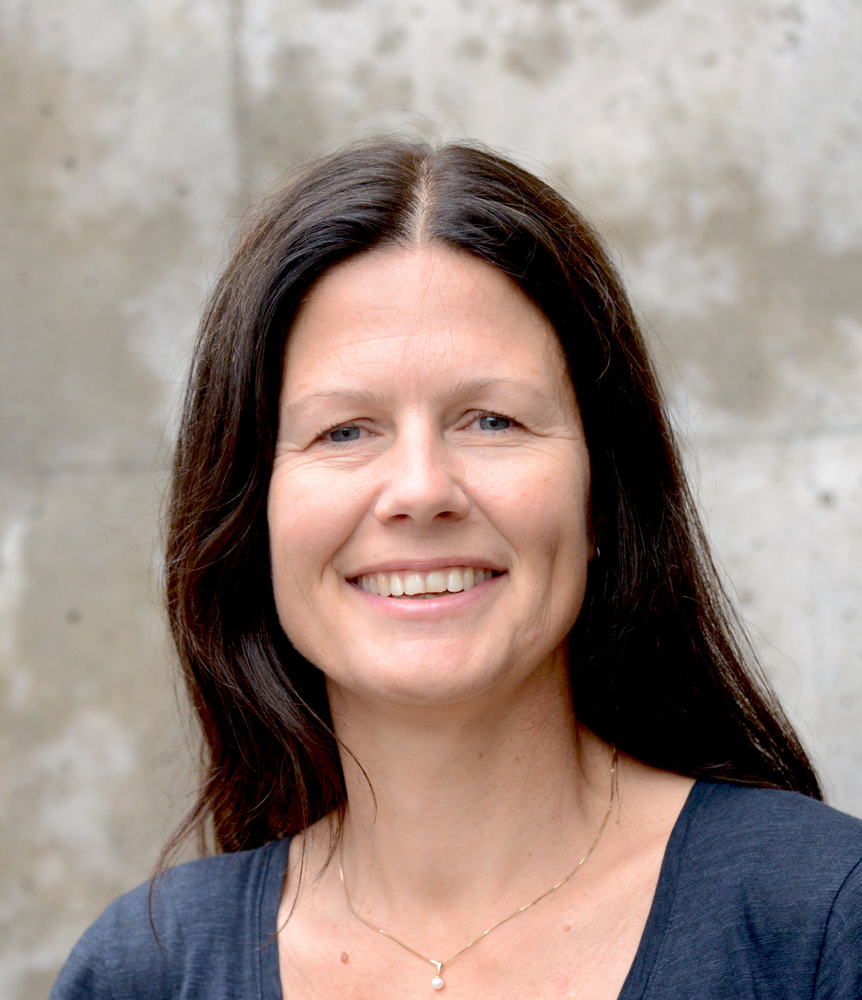
Prosjektleder Astrid Sandsmark er førstelektor i praktisk teologi og diakoni ved MF og har bred erfaring med å koordinere tverrfaglige team og fasilitere komplekse prosjekter. Sandsmark har ledet forsknings- og utviklingsprosjekter som Sofa, SPOR og DIAfleks, som alle har involvert samarbeid på tvers av institusjoner, akademia og praksisfeltet. Hun har ti års arbeidserfaring fra praksisfeltet og har gjennom hele sin akademiske karriere fortsatt å arbeide tett med sivilsamfunnet. Hennes evne til å samle aktører på tvers av institusjoner og sektorer i meningsfullt samarbeid er en sentral komponent i dette samarbeidsprosjektet.
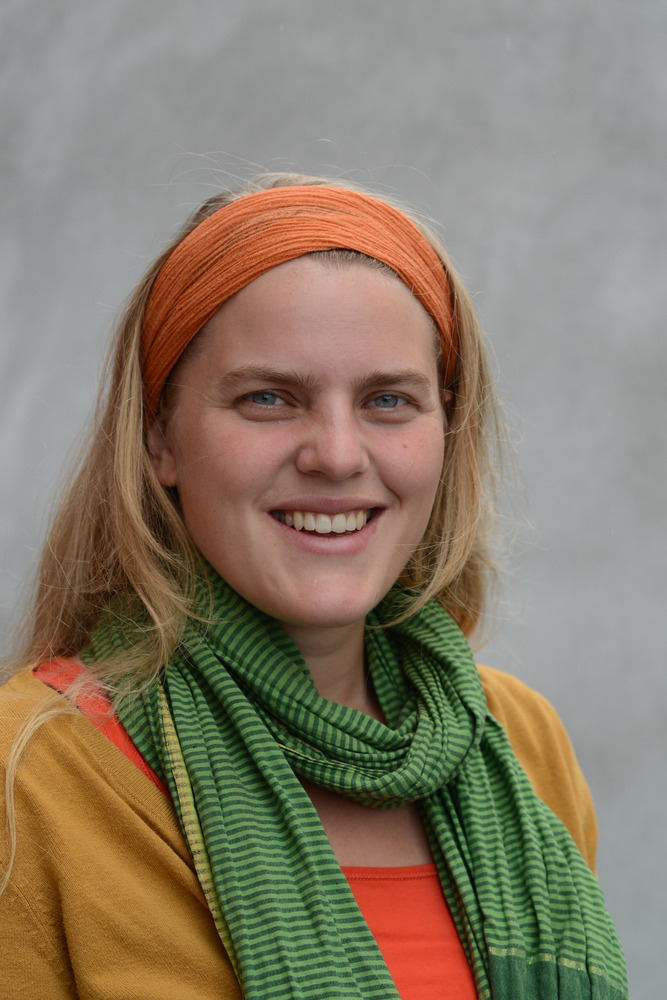
Solvor Mjøberg Lauritzen er professor i utdanningsvitenskap med vekt på fredsutdanning, interkulturell utdanning og kritiske romske studier. Lauritzens forskning kjennetegnes av kritiske analyser av samfunnsstrukturer og hun er opptatt av at forskningen skal kunne bidra til endring og sosial rettferdighet. I 2021-2025 har hun ledet det NFR-finansierte prosjektet MEMOROBIA om minnet av det romske slaveriet i Romania.
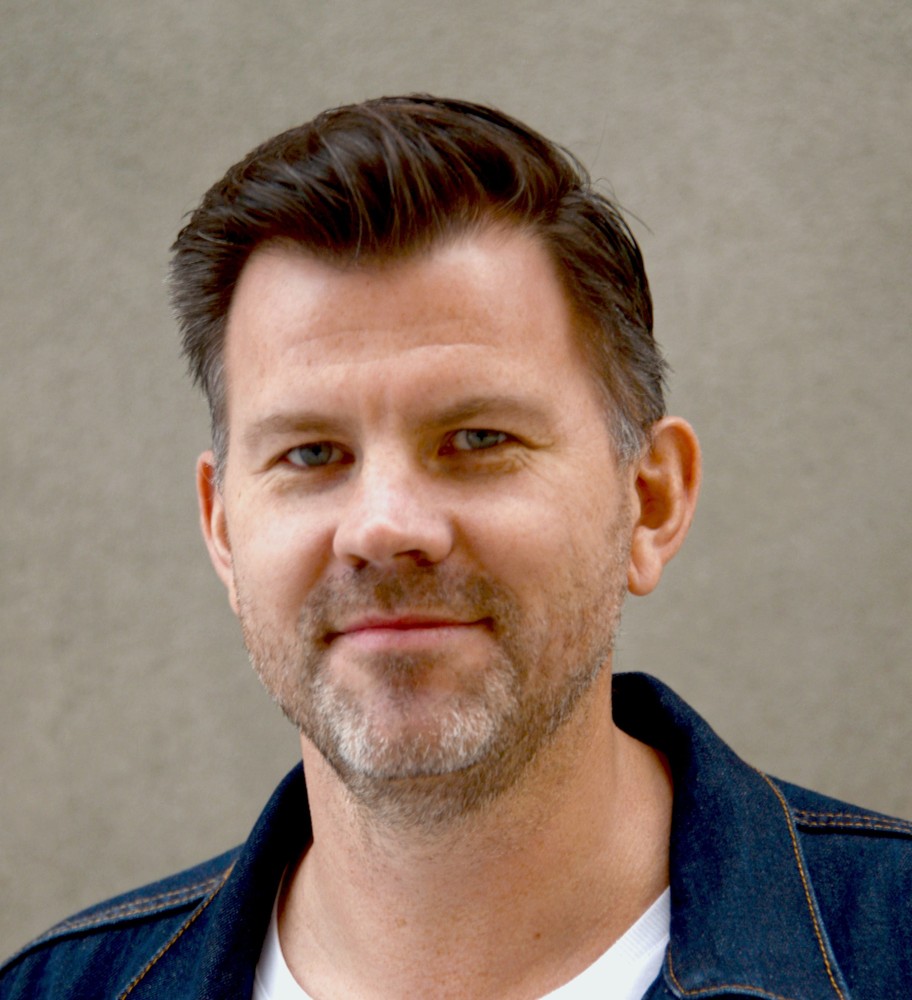
Knut Tveitereid er førsteamanuensis i praktisk teologi og har forsket særlig på teologi i bruk og empirisk teologi, der det kirkelige praksisfeltet møter akademisk refleksjon. Han arbeider primært kvalitativt, og ofte drevet av nysgjerrighet for hvordan kristen tro brukes og misbrukes, utfordres og utformes i et samfunn i endring. Tveitereid er engasjert i International Association for the Study of Youth Ministry og har i flere år vært Academic Co-ordinator for den årlige konferansen i Ecclesiology and Ethnography og ved Durham University, UK.
Samarbeidspartnere
Prosjektet har fire hovedsamarbeidspartnere blant norske trosbaserte ideelle organisasjoner (faith-based nonprofit organisations - FNPO):
Prosjektpartnerne vil være aktivt involvert gjennom hele prosjektet. De vil legge til rette for postdoktorens etnografiske undersøkelse. Representanter fra partnerorganisasjonene vil bli inkludert i åpnings- og avslutningskonferansene, og være en del av prosjektets referansegruppe.
I forskningslaboratoriene vil diakonale aktører og deres samskapingspartnere delta aktivt i analyse av data og utvikling av praksis. De vil dermed være aktivt involvert fra starten av prosjektet, gjennom datainnsamlingen, og inn i dataanalysen og presentasjonen av funnene.
Andre forskere
Maria Ledstam er førsteamanuensis i praktisk teologi ved Enskilda Högskolan i Stockholm. Hennes forskning fokuserer på sivilsamfunnet og undersøker hvordan trosbaserte organisasjoner og virksomheter engasjerer seg i samfunnsspørsmål og oppfatter sin rolle som aktører i sivilsamfunnet. Hun har publisert om religion og økonomi, arbeidsetikk og diakonale aktørers bidrag til sivilsamfunnet. Ledstam har omfattende erfaring med tverrfaglig samarbeid og empiriske studier.
Dag-Håkon Eriksen er faglig leder for Senter for verdibasert ledelse og innovasjon ved VID vitenskapelige høgskole. Hans doktorgrad (2025) undersøkte dynamikken mellom verdier og organisering for sosial innovasjon i FNPO-er. Prosjektet vil dra nytte av hans erfaring med forskning, undervisning og samarbeid knyttet til organisering og samskaping for sosial innovasjon blant FNPO-er.
Postdoktoren som rekrutteres til prosjektet vil ha formell kompetanse innen utdanning og/eller forskning med NGO-er/FNPO-er. Vedkommende vil i tillegg ha erfaring med empirisk forskning og IE eller tilsvarende.