
MF becomes part of MishMash
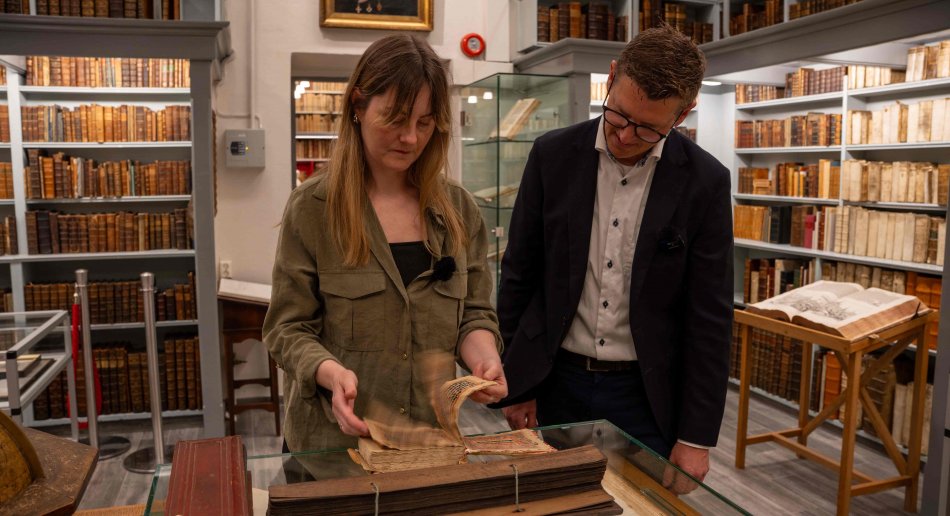
MF has entered into an agreement with MishMash – Centre for AI and Creativity to conduct research on manuscripts and cultural heritage.
About MishMash:
- National research centre for artificial intelligence, established in 2025
- Led by the University of Oslo (UiO)
- Explores the interaction between AI and creativity
- Brings together disciplines from technology, humanities, social sciences, and the arts
- Focuses particularly on the use of AI in culture, media, education, and creative industries
- Runs until 2030
MishMash – Centre for AI and Creativity is one of Norway’s national research centres for artificial intelligence, led by the University of Oslo. The centre brings together researchers and partners from a range of disciplines to explore how artificial intelligence affects and can be used in creative processes such as art, music, and design.
MF’s contribution is part of the initiative on cultural heritage. MishMash formulates the challenge as follows: How can artificial intelligence contribute to ensuring the preservation, accessibility, and dissemination of cultural heritage in archives, libraries, and museums, while also safeguarding ethical and legal considerations?
– It is both inspiring and educational to be part of MishMash. We collaborate with people from most universities and university colleges in Norway, as well as other institutions such as the National Library and the National Museum. This provides many different perspectives and opportunities for collaboration, says Matthew Monger, Associate Professor of Ancient Languages and Literature at MF.
AI for mapping
Matthew Monger and Silje Lyngar Einarsen, Associate Professor of Religious History and Manuscript Studies, are currently working on cataloguing more than 4,000 artefacts and tens of thousands of pages of archival material at the University of Oslo Library. In recent years, the library has received a number of donations from the Schøyen Collection, which is regarded as one of the world’s largest private manuscript collections.
– In this work, we use AI to create a catalogue of everything that exists physically, and we scan and read in all available information about these artefacts. We can then use AI models to show, for example, networks of acquisitions, ownership, and antiquities dealers. The goal is to help the library map what they have received, how it came to Norway, and possibly uncover artefacts with a problematic history, so that these can be set aside for further processing, says Monger.
More articles from News
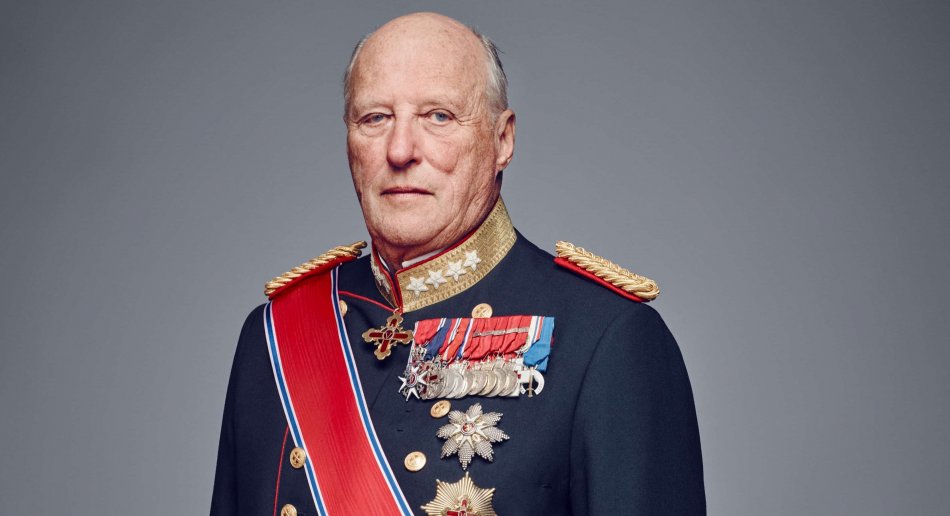
Condolences Following His Majesty King Harald's passing
Published: 28. August 2026
Det er med stor sorg vi har mottatt budskapet om at Hans Majestet Kong Harald V har gått bort.
MF kondolerer kongefamilien og lyser fred over Kong Haralds minne.
New Regulations on Admission, Studies and Examinations at MF
Published: 30. June 2026
From 1 August 2026, a revised regulation enters into force. Below you will find an overview of the most important changes and what you need to know.
MF Affected by Data Breach in Canvas
Published: 7. May 2026
Instructure, leverandøren av læringsplattformen Canvas, har avdekket at en kriminell aktør har kopiert personopplysninger fra et system hos dem, hentet ut informasjon og krever løsepenger. Instructure har nå bekreftet at også MF vitenskapelig høyskoles data er omfattet av angrepet.
Artificial Intelligence and the Humanities: New Opportunities and Challenges
Published: 18. February 2026
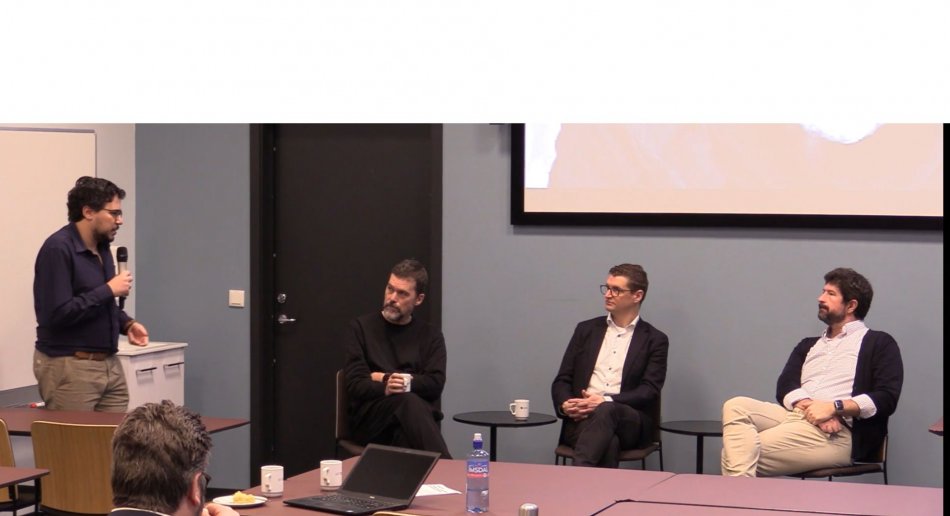
In December 2025, L-MaSDR hosted a seminar exploring the opportunities, challenges, and responsibilities that AI presents for humanistic research. Watch the presentations here.