
Co-creators: Faith based organisations countering school attendance problems
The research project Faith based organisations as Cocreators: Countering School Attendance Problems examines the role of faith-based nonprofit organisations in reducing school attendance problems (SAP) among youth in Norway.

School Attendance Problems (SAP) is a growing concern in Norway. But although SAP has gained increasing national attention, major research gaps remain —especially when it comes to evaluating concrete interventions outside the school system.
At the same time, faith-based nonprofit organisations (FNPOs) across Norway have developed a variety of initiatives to support children and young people with SAP. In these efforts, FNPOs frequently co-create with families, schools, and public agencies. However, both the FNPO initiatives and the co-creation processes behind them remain largely undocumented and unevaluated.
This project investigates how FNPOs co-create with other sectors to help reduce SAP. Through a mixed-methods design, the project will: 1) Map FNPOsʼ SAP-related activities in a national survey, 2) conduct ethnographic case studies in four organisations, and 3) bring practitioners and researchers together in collaborative research laboratories.
By analysing success factors, challenges, and possible transfer of practices, the project will generate new knowledge for educators, policymakers, and civil society actors. The findings will help strengthen support for children and youth struggling with SAP and improve cross-sector collaboration.
Partners and Methods
Through so-called “research laboratories,” the project will bring stakeholders together for dialogue and reflection to develop new co-creation models that can help reduce school attendance problems.
The goal is to document what works and to develop research-based recommendations that strengthen efforts to include children and young people.
The project is carried out in collaboration between MF Norwegian School of Theology, Religion and Society, VID Specialized University, and University College Stockholm.


Research questions and work packages
The project takes the following overarching research question as it point of departure:
How can faith based non-profit organisations reduce involuntary school absence through co-creation?
The main research question will be addressed through answering the following sub-questions:
- What do faith based non-profit organisations do in response to school attendance problems?
- What factors within faith based non-profit organisations potentially contribute to supporting children and youth experiencing school attendance problems?
- Who do faith based non-profit organisations involve in co-creation, and what characterizes these processes?
- What are the limitations of faith based non-profit organisations in co-creation processes, and how can these be overcome?
- What lessons can be learnt and transferred from faith based non-profit organisations’ successful work on school attendance problems?
Work packages
WP1: State-of-the-art on non-profit organizations and SAP
In WP1 we will establish a broad overview of FNPOs’ initiatives to reduce SAP (School Attendance Problems). WP1 will begin with a narrative literature review.
The review will be broad in scope and include literature on topics such as
- FNPOs work among children and youth in general,
- FNPOs co-creation in their work with children and youth, and
- both Norwegian and Scandinavian literature on FNPOs work to reduce SAP.
As we expect the research literature to be scarce on the area of FNPOs and SAP, we will search beyond literature published in academic channels, and include reports and evaluations, organizations’ own publications, and online resources and media reporting.
The purpose of the review is twofold: Synthesising current knowledge will establish the state-of-the art and further identify knowledge gaps in this under-researched area. But it will also provide information which may directly influence the development of the research tools in the empirical data production, such as survey and interview questions.
WP leader: Solvor Mjøberg Lauritzen
WP2: Mapping the engagement of FNPOs in addressing SAP
WP2 will consist of a descriptive survey with both closed and open-ended questions. We will use the secure platform Nettskjema (developed by UIO). The survey will be distributed widely to Norwegian FNPOs.
Findings from WP1 will likely influence the topics addressed it the survey, but it will at least address questions related to
- what the FNPOs do directly and indirectly to reduce SAP (School Attendance Problems),
- what lessons the FNPOs have drawn from their current practices (including what they perceive as effective practices and not), and
- whether and how these organizations engage in co-creation with other stakeholders, who these partners are, how the co-creation is organised, and what challenges and opportunities the co-creation give.
Leaders in Norwegian FNPOs will assist us in distributing the survey to relevant sub-sections in their organisations. The survey will be distributed to our project-partners (CoN, KFUK-KFUM, KUP, TID), and other relevant organisations such as Kirkens Bymisjon (Church City Mission) and CRUX.
The survey will provide an overview of practices in FNPOs in Norway, which in itself is a valuable contribution to the knowledge production on SAP. Additionally, the survey findings will help to place the empirical findings from WP3-5 in context, strengthening the analysis of transferability of findings. Through the survey we will also identify an additional case study for WP3.
WP leader: Solvor Mjøberg Lauritzen
WP3: In-depth ethnographic study of FNPOs involved in co-creation
WP3 will conduct an in-depth ethnographic study of FNPOs engaged in co-creation to address SAP.
Collaborative agreements have been established with four FNPOs (CoN, KFUK/KFUM, TID, KUP), selected by the criteria
- Active involvement in SAP (School Attendance Problems) reduction,
- active co-creation with non-governmental and public bodies,
- anecdotal evidence of successful practices (defined as reducing SAP).
Diversity in geography and demography was also considered, ensuring representation from rural and urban areas across Norway.
WP3 will produce in-depth knowledge of what reducing SAP through co-creation looks like on the ground; how FNPOs work in response to SAP, how FNPOs co-create with civil and public sector, and how children, youth, parents and related civil and public bodies perceive the initiatives.
The case studies will be inspired by Institutional Ethnography (IE), a practice-oriented research approach that takes as its starting point what people do and experience "on the ground" (Smith 2005). IE aims to research for and with people, promoting collaboration between researchers and practitioners. This method is valued by practitioners for its practical applicability. IE explores what shapes and governs practices, mapping interconnections and making implicit knowledge explicit. The research can also highlight opportunities and challenges in organizing work.
It has been used in the Nordic context to examine welfare state consequences and bureaucracy. In our project, IE will help identify enabling and limiting factors in FNPOs’ co-creation efforts, such as guiding ideologies, dominant understandings, time, as well as economic, political, or institutional directives and norms. This approach will provide valuable insights for SAP-reducing interventions by identifying obstacles and enablers. IE contributes to both the research process and the field by articulating implicit knowledge and supporting practical improvements.
Using IE as methodological framework and theoretical starting point, we will employ multiple methods.
- Document analysis: Examine policy documents and strategy plans to understand how they influence initiatives, and the possibilities and limitations for co-creation.
- Participatory observation: Two-week observations in each initiative, split between autumn and spring, to capture seasonal variations. The researcher will participate alongside relevant employees and volunteers, observing direct interaction with children and youth, and co-creation processes.
- In-depth interviews will be conducted with key employees and volunteers, children and youth experiencing SAP, parents, and other relevant stakeholders. Approx. 20 interviews with employees and volunteers in FNPOs (5 per initiative), conducted at the beginning and end of the data collection period, to allow for follow-up on topics that emerged in the first interview, and to address new topics that has emerged during observations. Approx. 40 children and youth (10 per initiative), understand their experiences, what they value, critiques, and understanding of their own situation and needs. Interviews will be individual or group-based, depending on participant preferences. Approx. 40 parents connected to the initiatives (10 per initiative), addressing similar topics as those with children and youth.
Related NPOs and public bodies identified during fieldwork, to gain insight into the co-creation processes from different angles, including school stakeholders (e.g. owners, leaders, teachers, social workers), children’s services (barneven), NAV, psychological support teams/ BUP, municipalities, and other civil society actors. The primary focus is to understand FNPOs roles and limitations in co-creation processes. In line with IE, the study will investigate how reality appears from different practitioners’ perspectives and explore what shapes co-creation practices. The research will analyse interconnection between individual actions and how they are influenced by guiding ideologies, dominant understandings, time constraints, and economic, political, or institutional directives and norms. Interview findings will be analysed alongside document analysis. In sum, we aim at a comprehensive understanding of co-creation’s potential and limitations in reducing SAP.
WP leader: Solvor Mjøberg Lauritzen
WP4: Developing practices in collaborative laboratories
WP4 will bring together FNPO employees interviewed and their selected co-creation partners to further develop WP3 research data in three collaborative research laboratories. Inspired by phronesis (practical wisdom), we aim to co-develop theoretical knowledge, reflect on values, and improve practice simultaneously.
FNPOs will select participants from their organisation and invite co-creators from e.g. schools, BUP or NAV. The laboratories will ensure stakeholders’ knowledge is utilised. FNPOs and their partners will meet with researchers in three two-day sessions held midway and toward the end of the project. These will feature
- presentations from FNPOs on their co-creation efforts to reduce SAP, and
- presentations of preliminary research findings by the project team.
The laboratories will facilitate knowledge production for both FNPOs and researchers: FNPOs and their co-creation partners will gain a platform for discussion and feedback, fostering reflection and learning across sectors. Researchers will collect data by presenting findings for participant validation, allowing correction of misunderstandings and inclusion of overlooked elements. Additionally, the laboratory meetings will be recorded and serve as a creative alternative to focus-group interviews, generating new data through interaction and discussions.
Three sessions will deepen discussion over time. The first will present preliminary findings for initial analysis. The second will focus on organisational structures and their influence on reducing SAP, incorporating documents from WP3’s IE-inspired analyses. In the third session, we will invite the Swedish partner in the project. Despite some differences, Sweden is comparable to Norway in school systems and FNPOs. University College Stockholm’s ongoing action research project, “Together for learning”, involves a congregation working with SAP-affected children. Additional international scholars, contacted during the project, will share work from their respective countries, to accommodate international perspectives in the analysis and development of practice.
The laboratories will be guided by researchers with extensive experience in action research and collaborations between academia and civil society, ensuring a productive and dynamic process. IE provides theoretical tools that will be useful both in the laboratories and in the analysis of the data generated in them.
WP leader: Knut Tveitereid
WP5: Research dissemination
The research project is set in a Norwegian context, and the research contributes towards filling a research gap in Norway. To make the findings as accessible as possible to a Norwegian audience, we will write at least four research articles in Norwegian.
Three of the articles will mainly draw on research data from WP2 and WP3 (survey and ethnographic fieldwork) and the fourth will mainly draw on data form research laboratories (WP4). In order to make the research results even more accessible for actors in the practice field, we will produce a research report.
The report will include the same elements as peer-reviewed research articles (previous research, methods description, theory and research results), but will use less research jargon and focus on communicating the most important results for the practice field, i.e. civil society actors, policy makers and school actors.
The focus will not mainly be to communicate with other researchers and contribute to the state-of-the-art, but rather to provide information and recommendation that can better policies and practices related to co-creation and reducing SAP. The report will further be condensed into a 2-page policy brief with recommendations identified in the report.
Finally, the most important findings in the project will be communicated in two research articles in English.
WP leader: Astrid Sandsmark
Research team
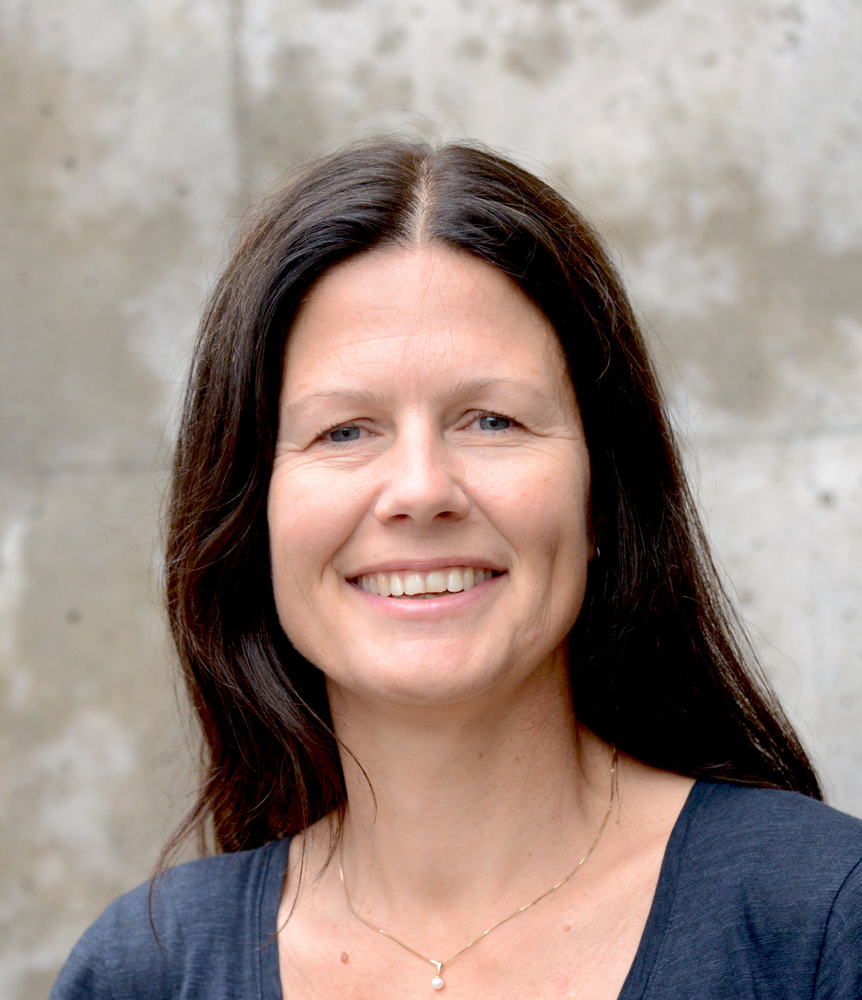
Project manager Astrid Sandsmark has vast experience in coordinating interdisciplinary teams and facilitating complex projects. She has led research and development projects such (Sofa, SPOR, and DIAfleks aong others) all of which involved collaboration across institutions, academia, and the practice field.
She has ten years of work experience in the practice field and has continued throughout her academic career to work closely with civil society. Her ability to bring together stakeholders across institutions and sectors in meaningful collaboration is central to this collaborative project.
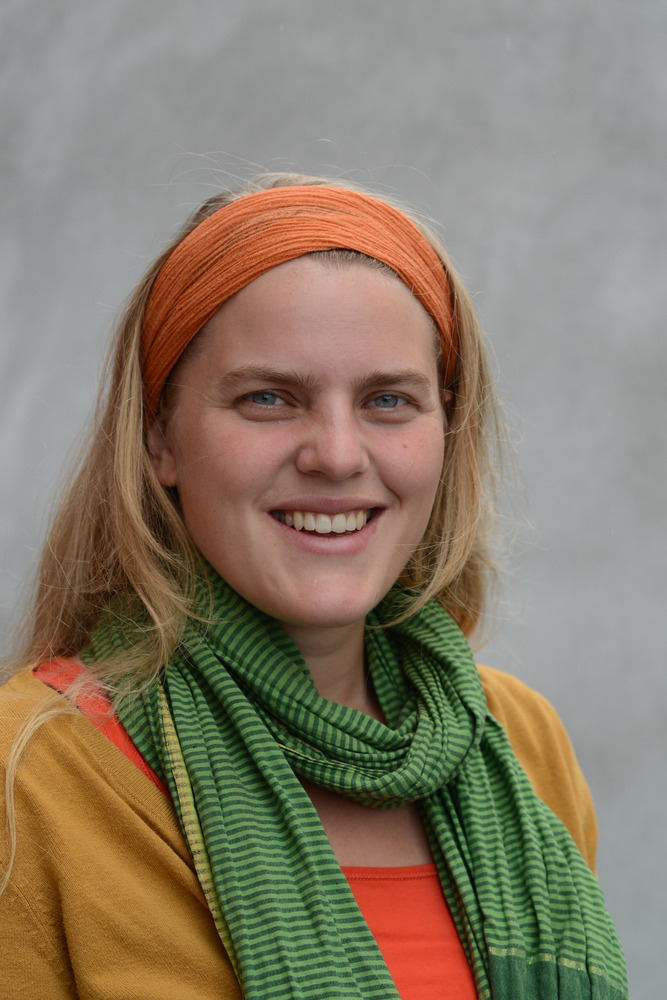
Solvor Mjøberg Lauritzen is Professor in Education at MF Norwegian School ofTheology, Religion and Society. The project will benefit from her extensive experience of carrying out empirical research with schools and NGOs, and her specialized knowledge in inclusive and intercultural education. In leading WP1-3, she will benefit from her experience from leading previous large scale research projects.
Lotte Danielsen is the postdoc recruited for the prosject.
Partners
The project is a partnership with four faith based faith-based nonprofit organisations (FNPOs):
- Church of Norway
- YWCA/YMCA Forandringshus (NO)
- TID (NO)
- KUP (NO)
The project partners will be actively involved throughout the project. They will facilitate the ethnographic research for the postdoc researcher, representatives from FNPOs will be included in the opening and concluding conferences, and be part of the project reference group. In the research laboratories, FNPOs and their co-creation partners will take active part in analysis of data and development of practice.
They will thus be actively involved from the start of the project, through the data collection, and into the data analysis and presentation of findings.
Other researchers
Maria Ledstam is associate professor in Practical Theology at University College Stockholm. Her research focuses on civil society, examining how faith-based organizations and businesses engage in social issues and perceive their role as civil society actors. She has published on religion and economy, work ethics, and the contribution of diaconal actors to civil society. Ledstam has extensive experience in interdisciplinary collaboration and empirical studies.
Dag-Håkon Eriksen is the academic director of Center for Values-based leadership and innovation at VID specialized University. His PhD (2025) investigated dynamics of values and organizing for social innovation in FNPOs. The project will benefit from his experience from researching, teaching, and collaborative efforts related to organizing and cocreating for social innovation among FNPOs.